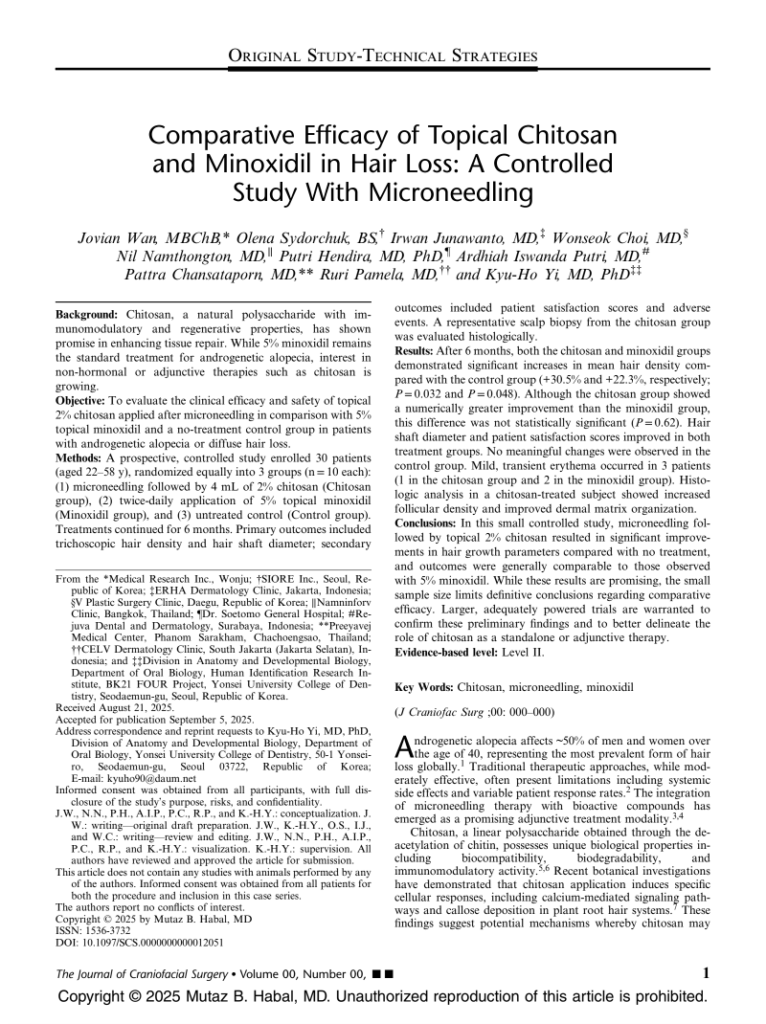
Comparative Efficacy of Topical Chitosan and Minoxidil in Hair Loss: A Controlled Study With Microneedling
Chitosan, a natural polysaccharide with immunomodulatory and regenerative properties, has shown promise in enhancing tissue repair. While 5% minoxidil remains the standard treatment for androgenetic alopecia, interest in non-hormonal or adjunctive therapies such as chitosan is growing.
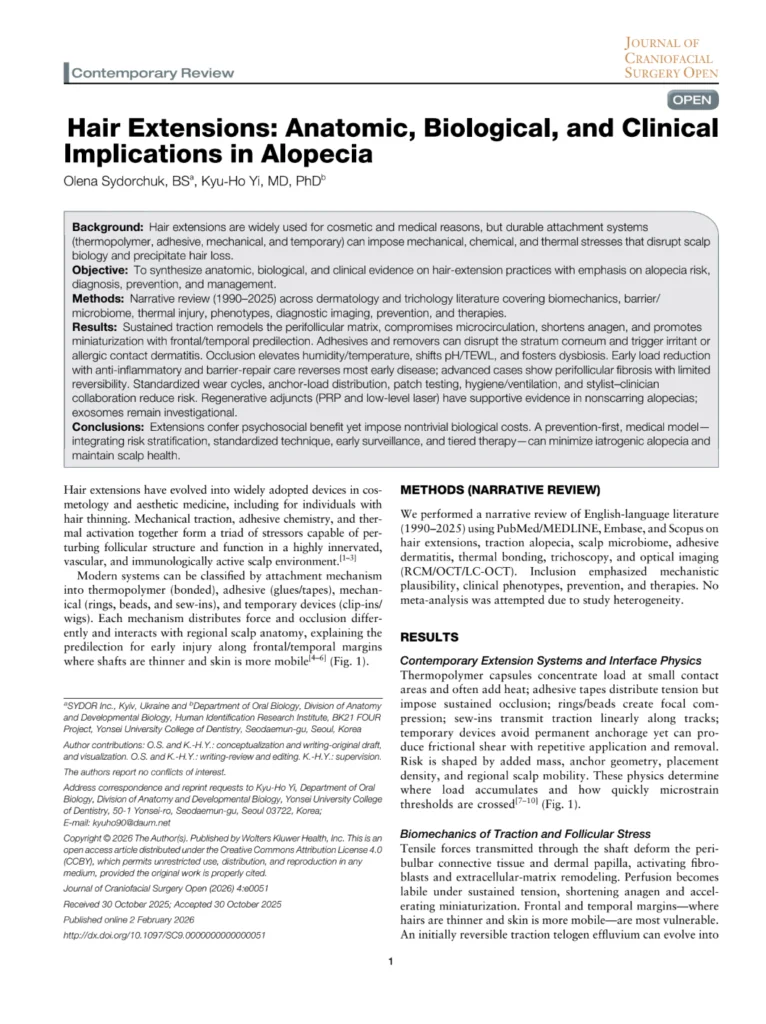
Hair Extensions: Anatomic, Biological, and Clinical
Implications in Alopecia
Hair extensions are widely used for cosmetic and medical reasons, but durable attachment systems (thermopolymer, adhesive, mechanical, and temporary) can impose mechanical, chemical, and thermal stresses that disrupt scalp biology and precipitate hair loss.
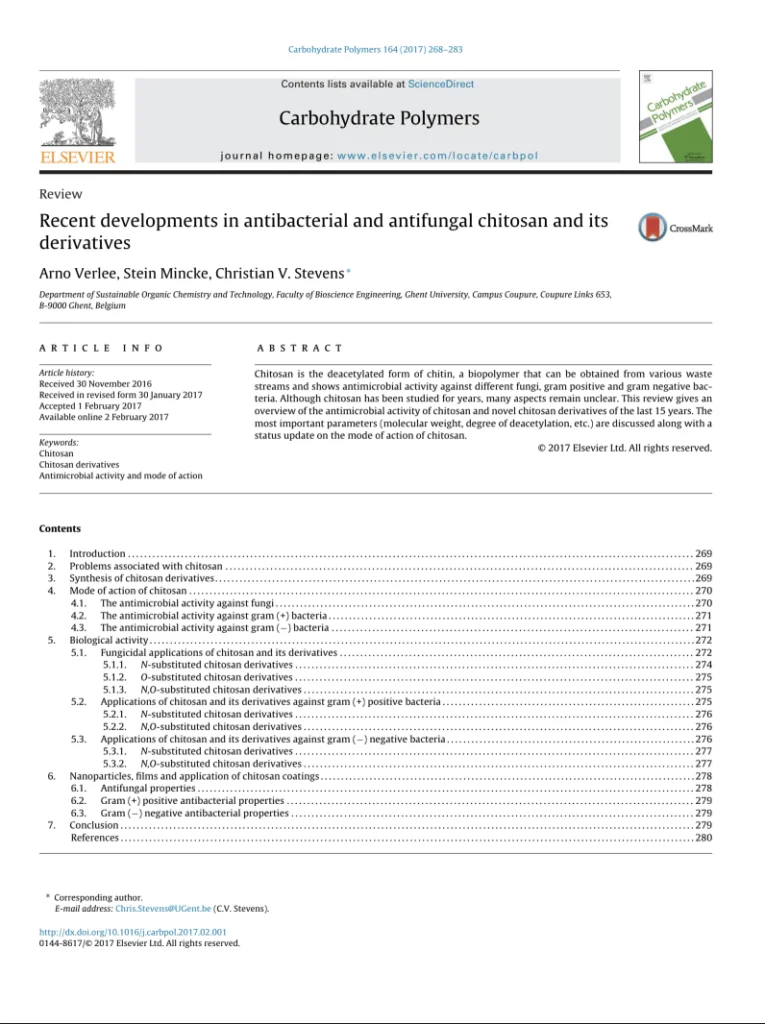
Recent developments in antibacterial and antifungal chitosan and its derivatives
Chitosan is the deacetylated form of chitin, a biopolymer that can be obtained from various waste
streams and shows antimicrobial activity against different fungi, gram positive and gram negative bac-
teria. Although chitosan has been studied for years, many aspects remain unclear. This review gives an
overview of the antimicrobial activity of chitosan and novel chitosan derivatives of the last 15 years. The
most important parameters (molecular weight, degree of deacetylation, etc.) are discussed along with a
status update on the mode of action of chitosan.
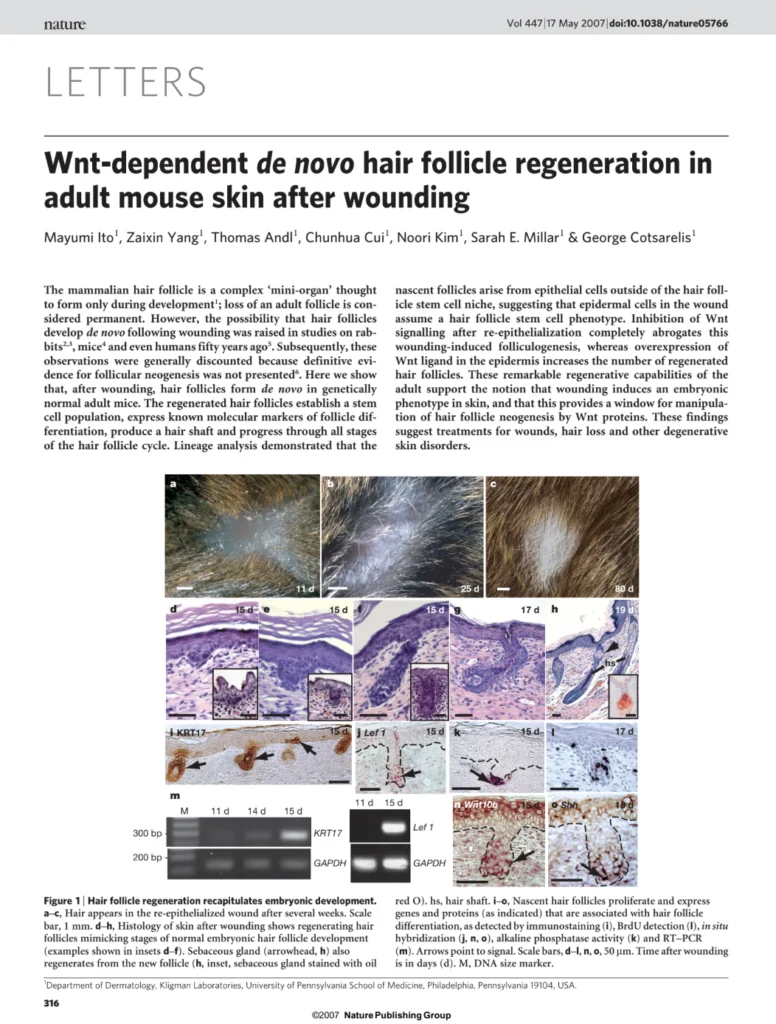
Wnt-dependent de novo hair follicle regeneration in adult mouse skin after wounding
Here we show that, after wounding, hair follicles form de novo in genetically normal adult mice. The regenerated hair follicles establish a stem cell population, express known molecular markers of follicle differentiation, produce a hair shaft and progress through all stages of the hair follicle cycle.
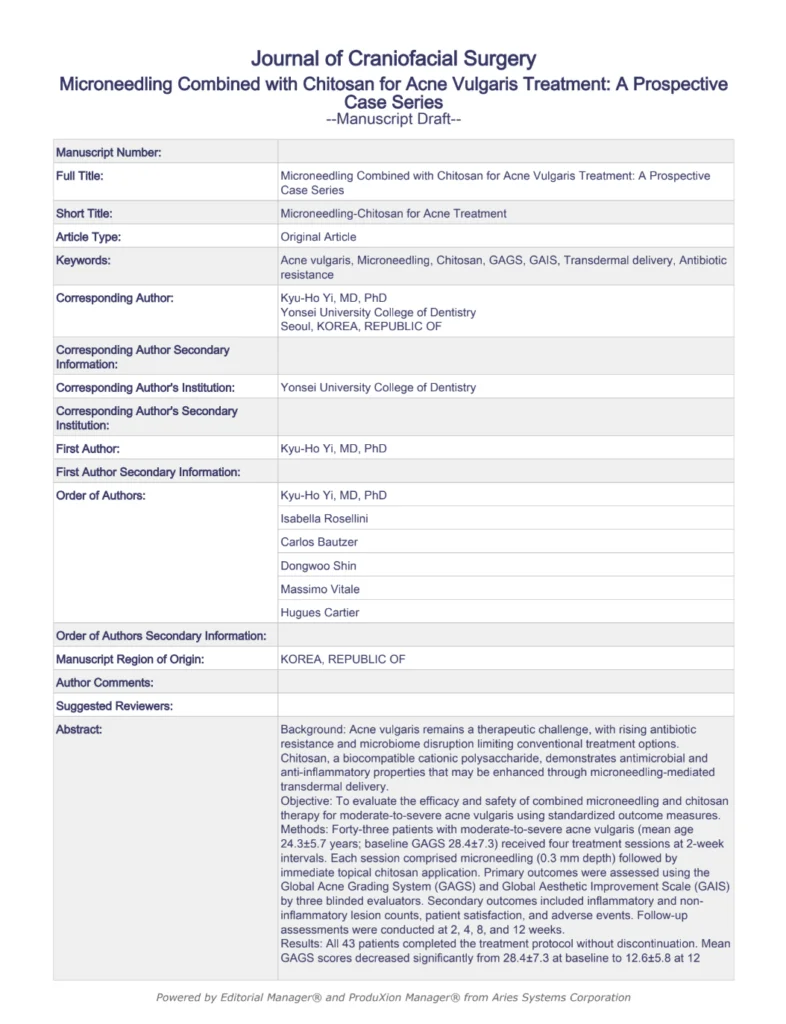
Microneedling Combined with Chitosan for Acne Vulgaris Treatment: A Prospective
Case Series
Acne vulgaris remains a therapeutic challenge, with rising antibiotic
resistance and microbiome disruption limiting conventional treatment options.
Chitosan, a biocompatible cationic polysaccharide, demonstrates antimicrobial and
anti-inflammatory properties that may be enhanced through microneedling-mediated
transdermal delivery.
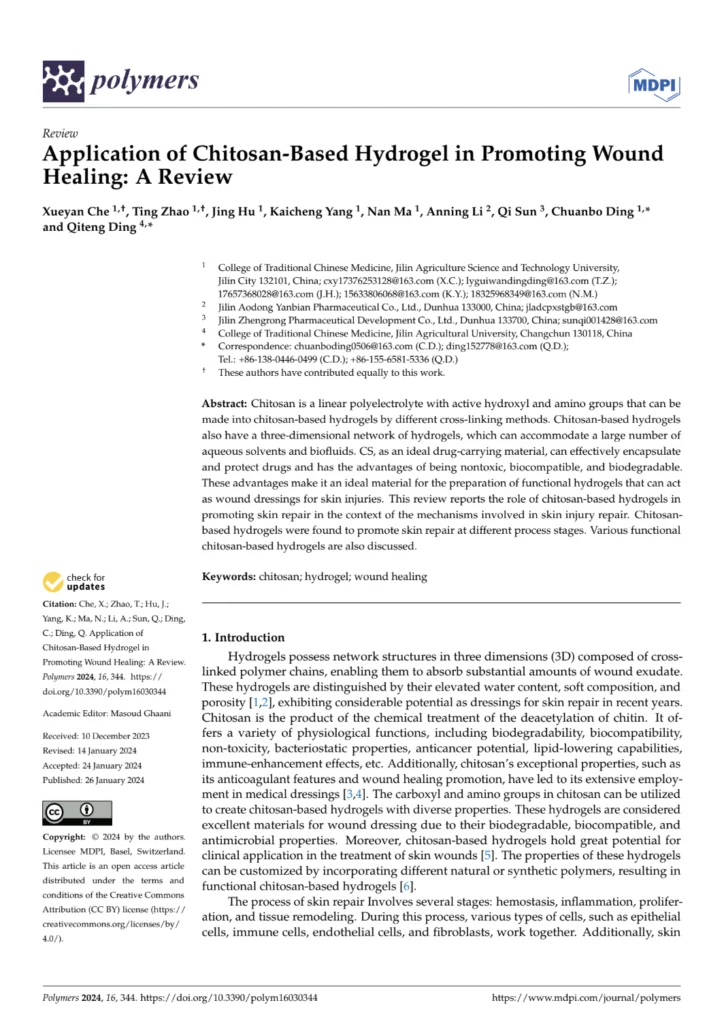
Application of Chitosan-Based Hydrogel in Promoting Wound
Healing: A Review
Chitosan is a linear polyelectrolyte with active hydroxyl and amino groups that can be
made into chitosan-based hydrogels by different cross-linking methods. Chitosan-based hydrogels
also have a three-dimensional network of hydrogels, which can accommodate a large number of
aqueous solvents and biofluids. CS, as an ideal drug-carrying material, can effectively encapsulate
and protect drugs and has the advantages of being nontoxic, biocompatible, and biodegradable.
These advantages make it an ideal material for the preparation of functional hydrogels that can act
as wound dressings for skin injuries. This review reports the role of chitosan-based hydrogels in
promoting skin repair in the context of the mechanisms involved in skin injury repair. Chitosan-
based hydrogels were found to promote skin repair at different process stages. Various functional
chitosan-based hydrogels are also discussed.
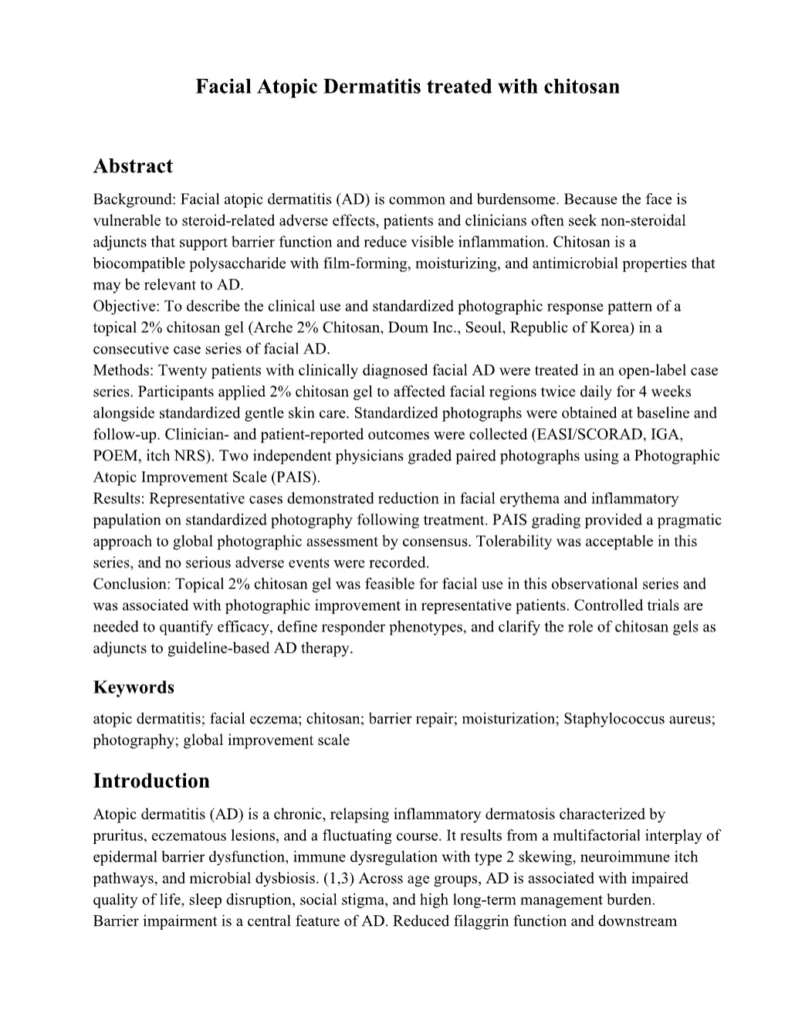
Facial Atopic Dermatitis treated with chitosan
Facial atopic dermatitis (AD) is common and burdensome. Because the face is
vulnerable to steroid-related adverse effects, patients and clinicians often seek non-steroidal
adjuncts that support barrier function and reduce visible inflammation. Chitosan is a
biocompatible polysaccharide with film-forming, moisturizing, and antimicrobial properties that
may be relevant to AD.
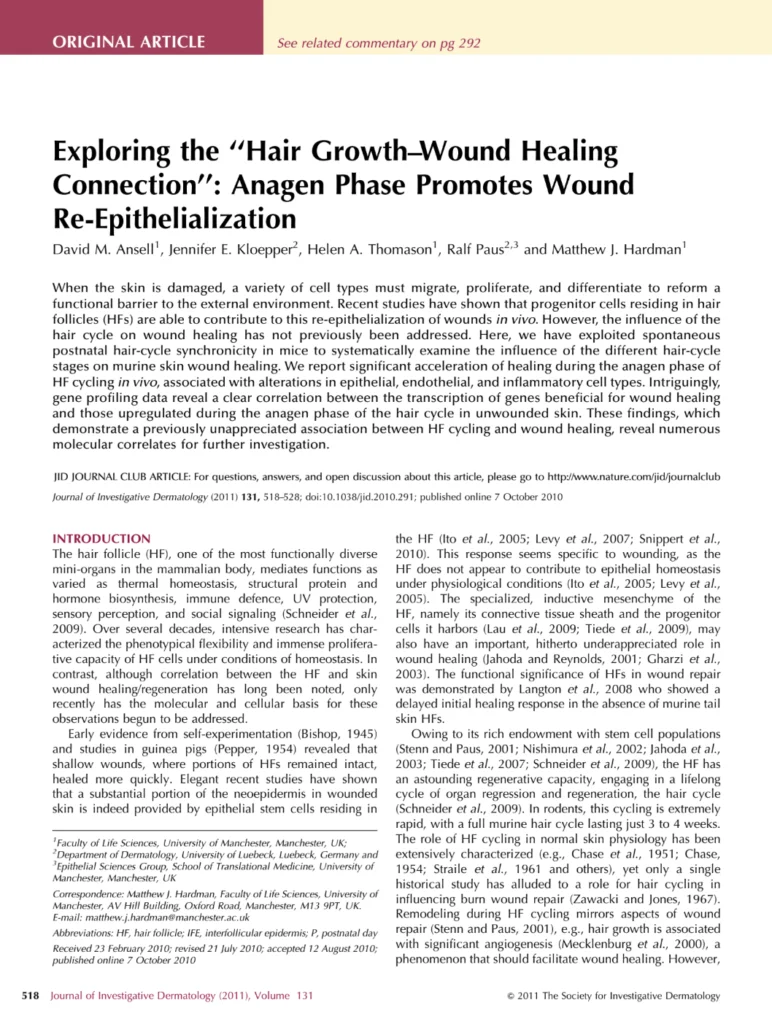
Exploring the “hair growth-wound healing connection”: anagen phase promotes wound re-epithelialization
When the skin is damaged, a variety of cell types must migrate, proliferate, and differentiate to reform a functional barrier to the external environment. Recent studies have shown that progenitor cells residing in hair follicles (HFs) are able to contribute to this re-epithelialization of wounds in vivo. However, the influence of the hair cycle on wound healing has not previously been addressed. Here, we have exploited spontaneous postnatal hair-cycle synchronicity in mice to systematically examine the influence of the different hair-cycle stages on murine skin wound healing. We report significant acceleration of healing during the anagen phase of HF cycling in vivo, associated with alterations in epithelial, endothelial, and inflammatory cell types. Intriguingly, gene profiling data reveal a clear correlation between the transcription of genes beneficial for wound healing and those upregulated during the anagen phase of the hair cycle in unwounded skin. These findings, which demonstrate a previously unappreciated association between HF cycling and wound healing, reveal numerous molecular correlates for further investigation.
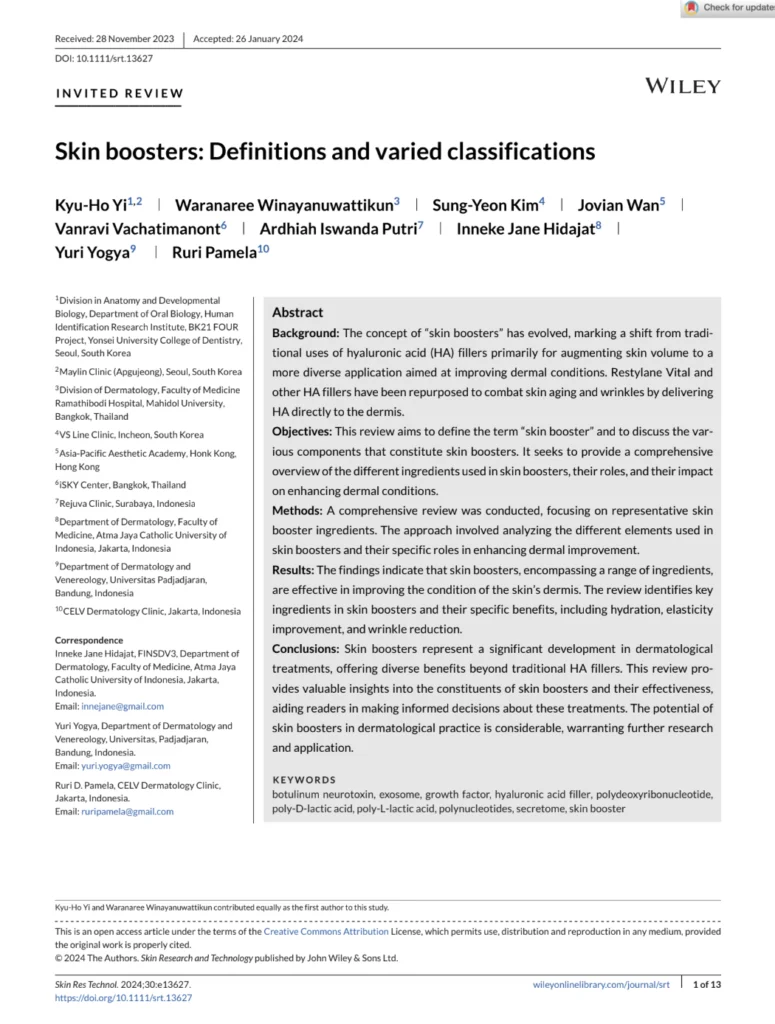
Skin boosters: Definitions and varied classifications
The concept of “skin boosters” has evolved, marking a shift from traditional uses of hyaluronic acid (HA) fillers primarily for augmenting skin volume to a more diverse application aimed at improving dermal conditions. Restylane Vital and other HA fillers have been repurposed to combat skin aging and wrinkles by delivering HA directly to the dermis.
This review aims to define the term “skin booster” and to discuss the various components that constitute skin boosters. It seeks to provide a comprehensive overview of the different ingredients used in skin boosters, their roles, and their impact on enhancing dermal conditions.
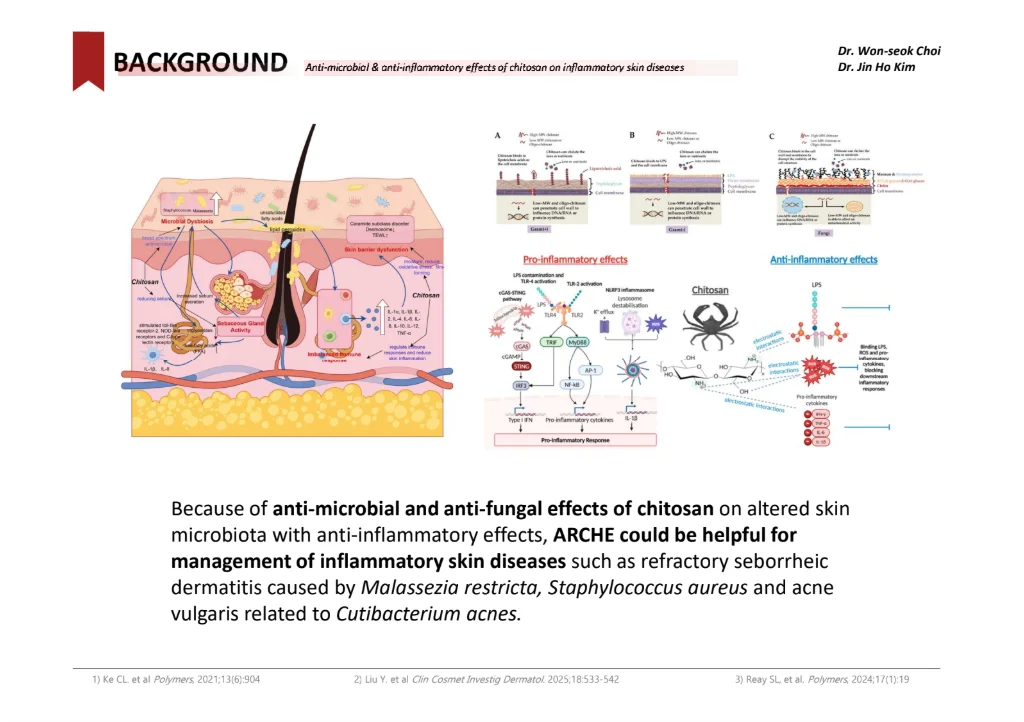
Anti-microbial & anti-inflammatory effects of chitosan on inflammatory skin diseases
ARCHE could be helpful for
management of inflammatory skin diseases such as refractory seborrheic
dermatitis caused by Malassezia restricta, Staphylococcus aureus and acne
vulgaris related to Cutibacterium acnes.
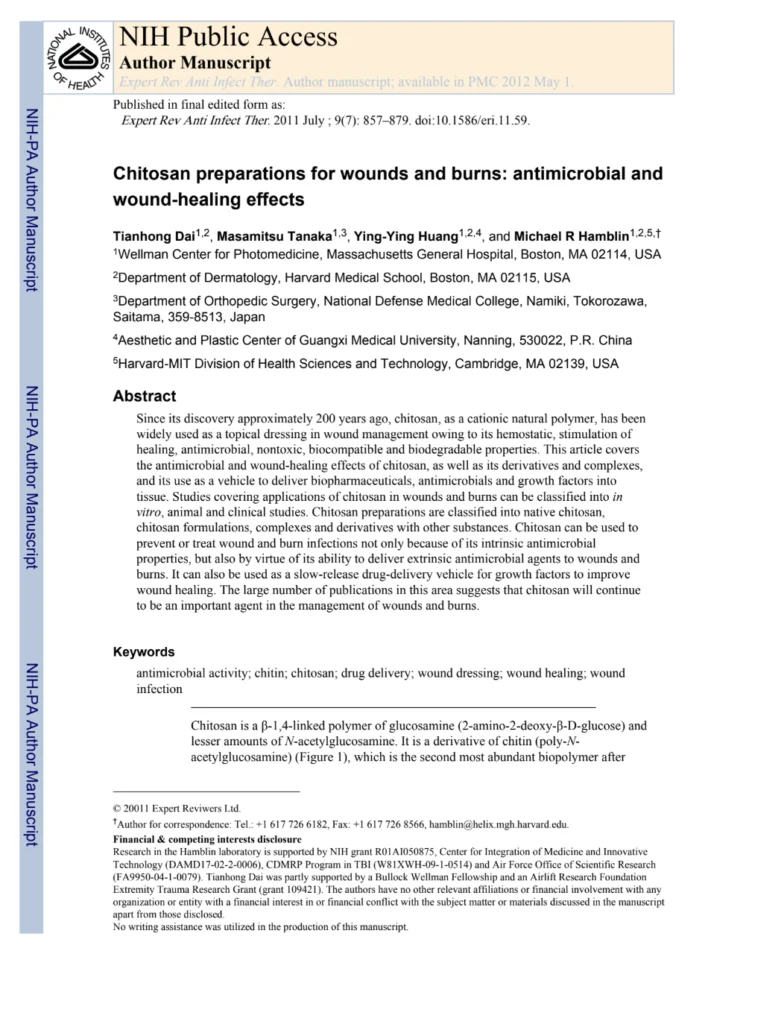
Chitosan preparations for wounds and burns: antimicrobial and wound-healing effects
Since its discovery approximately 200 years ago, chitosan, as a cationic natural polymer, has been
widely used as a topical dressing in wound management owing to its hemostatic, stimulation of
healing, antimicrobial, nontoxic, biocompatible and biodegradable properties. This article covers
the antimicrobial and wound-healing effects of chitosan, as well as its derivatives and complexes,
and its use as a vehicle to deliver biopharmaceuticals, antimicrobials and growth factors into
tissue. Studies covering applications of chitosan in wounds and burns can be classified into in
vitro, animal and clinical studies. Chitosan preparations are classified into native chitosan,
chitosan formulations, complexes and derivatives with other substances. Chitosan can be used to
prevent or treat wound and burn infections not only because of its intrinsic antimicrobial
properties, but also by virtue of its ability to deliver extrinsic antimicrobial agents to wounds and
burns. It can also be used as a slow-release drug-delivery vehicle for growth factors to improve
wound healing. The large number of publications in this area suggests that chitosan will continue
to be an important agent in the management of wounds and burns.
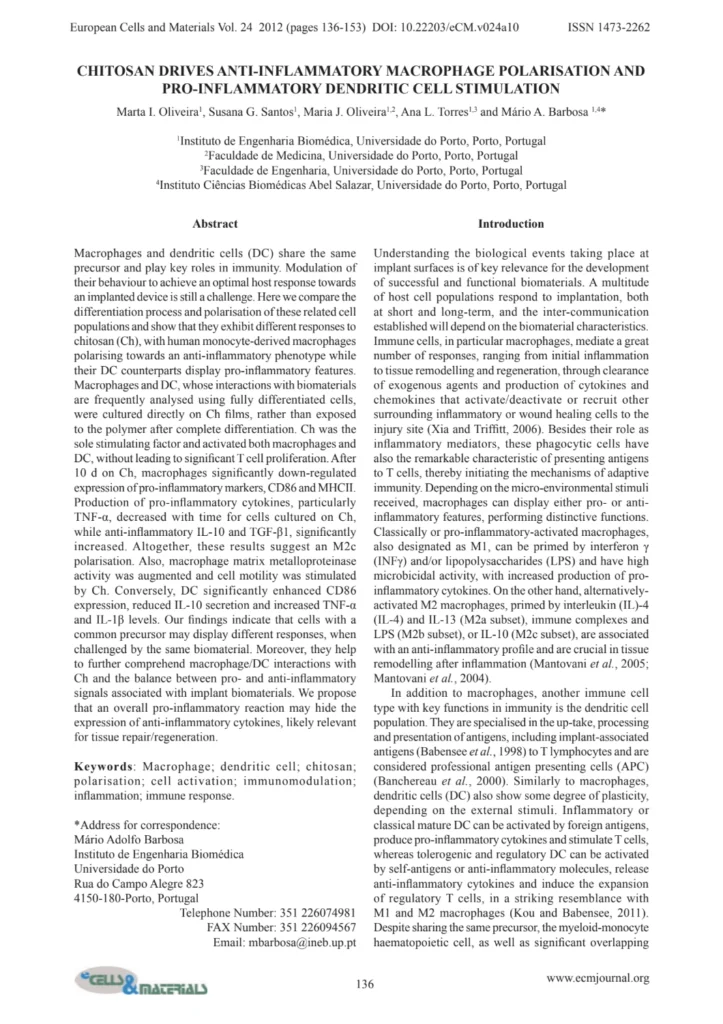
CHITOSAN DRIVES ANTI-INFLAMMATORY MACROPHAGE POLARISATION AND PRO-INFLAMMATORY DENDRITIC CELL STIMULATION
Here we compare the differentiation process and polarisation of these related cell populations and show that they exhibit different responses to chitosan (Ch), with human monocyte-derived macrophages polarising towards an anti-inflammatory phenotype while their DC counterparts display pro-inflammatory features. Macrophages and DC, whose interactions with biomaterials are frequently analysed using fully differentiated cells, were cultured directly on Ch films, rather than exposed to the polymer after complete differentiation.
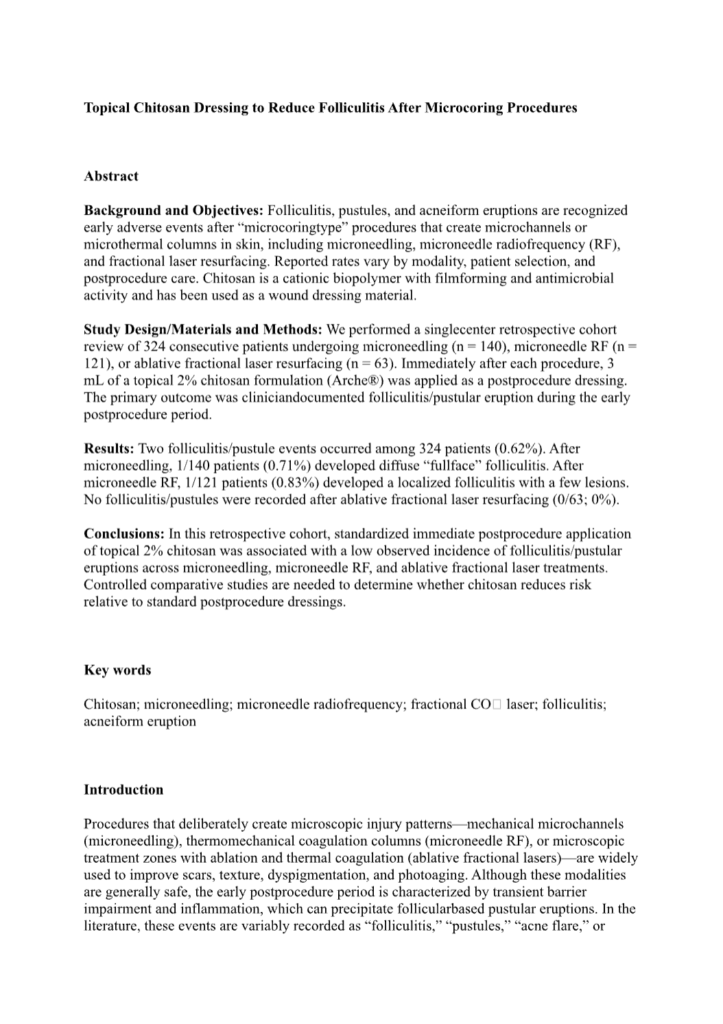
Topical Chitosan Dressing to Reduce Folliculitis After Microcoring Procedures
Folliculitis, pustules, and acneiform eruptions are recognized
early adverse events after “microcoringtype” procedures that create microchannels or
microthermal columns in skin, including microneedling, microneedle radiofrequency (RF),
and fractional laser resurfacing. Reported rates vary by modality, patient selection, and
postprocedure care. Chitosan is a cationic biopolymer with filmforming and antimicrobial
activity and has been used as a wound dressing material.
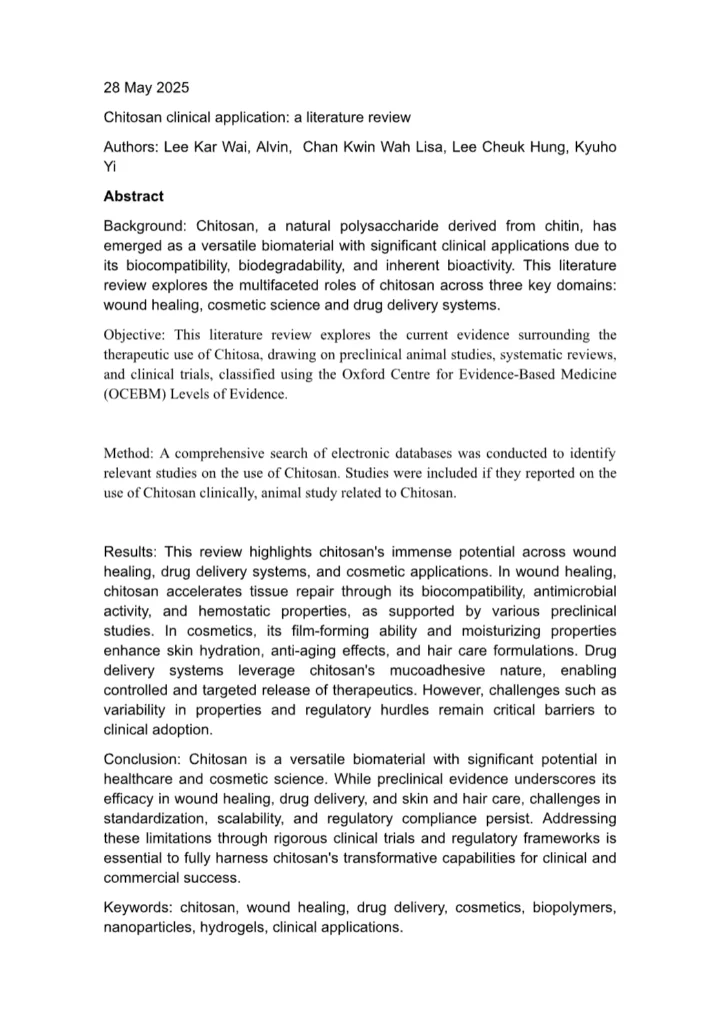
Chitosan clinical application: a literature review
Chitosan, a natural polysaccharide derived from chitin, has
emerged as a versatile biomaterial with significant clinical applications due to
its biocompatibility, biodegradability, and inherent bioactivity. This literature
review explores the multifaceted roles of chitosan across three key domains:
wound healing, cosmetic science and drug delivery systems.
Objective: This literature review explores the current evidence surrounding the
therapeutic use of Chitosa, drawing on preclinical animal studies, systematic reviews,
and clinical trials, classified using the Oxford Centre for Evidence-Based Medicine
(OCEBM) Levels of Evidence.